How to Choose the Best Party Speaker: A Practical Guide for Every Host
- Share
- publisher
- AUSMAN AUDIO
- Issue Time
- Jan 23,2026
Summary
When you're hosting a party, the right speaker isn't just an accessory—it's the backbone of the fun. This guide is designed to solve your biggest pain points: How to pick a speaker that matches your party size, budget, and usage scenario? What features are actually useful (and which are just marketing hype)? We’ll break down everything you need to know in simple, actionable steps, with clear answers to your most urgent questions—so you can buy with confidence and keep the party going.
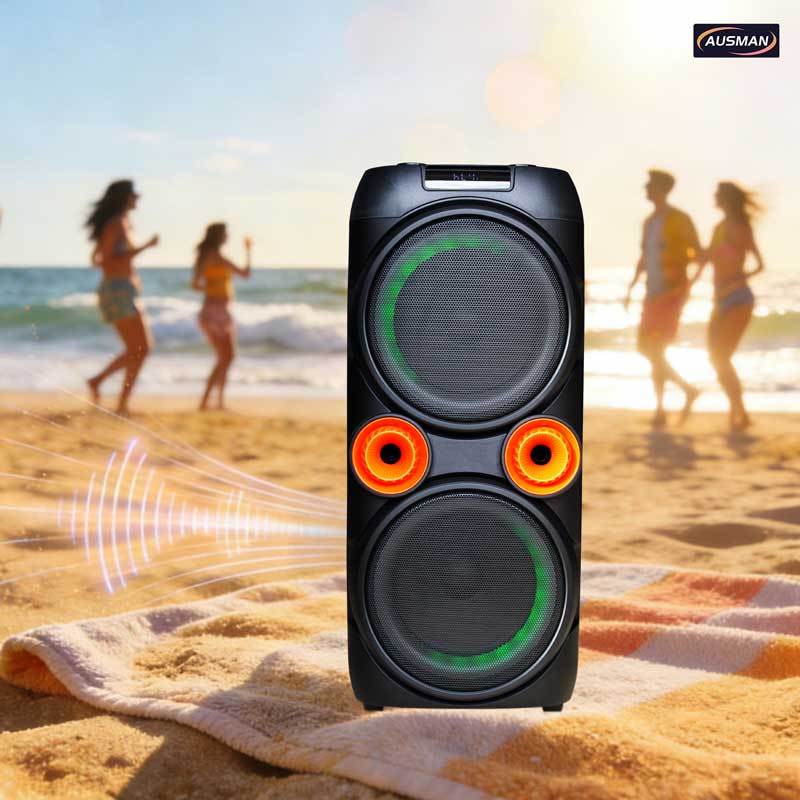
When you're hosting a party, the right speaker isn't just an accessory—it's the backbone of the fun. A weak speaker with tinny bass will kill the vibe, while an overpriced, oversized model will waste your money if you only host small gatherings.
This guide is designed to solve your biggest pain points: How to pick a speaker that matches your party size, budget, and usage scenario? What features are actually useful (and which are just marketing hype)? We'll break down everything you need to know in simple, actionable steps, with clear answers to your most urgent questions—so you can buy with confidence and keep the party going.
First: Understand Your Core Needs (Avoid Wasting Money)
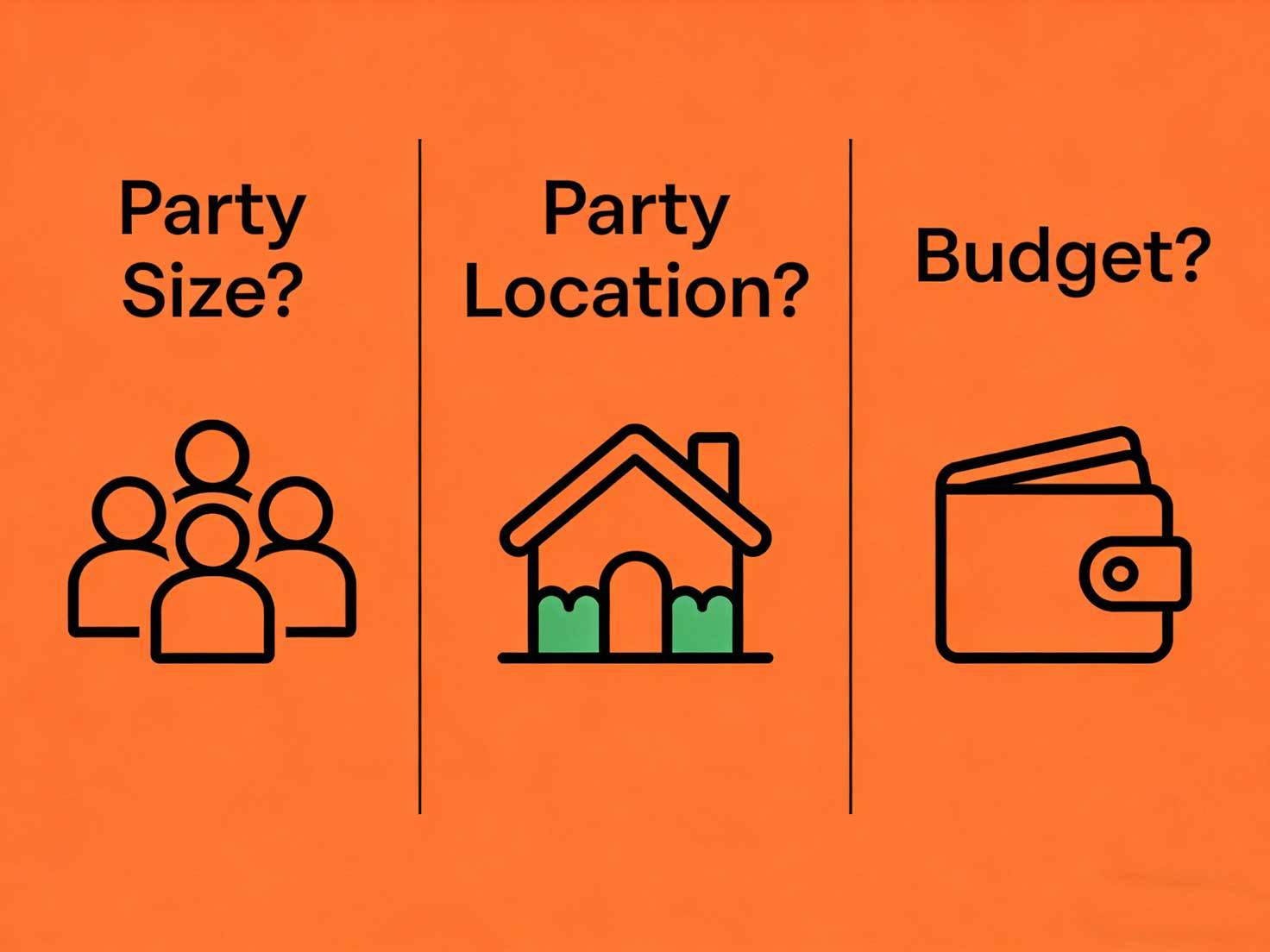
Before browsing any products, answer these 3 practical questions to narrow down your options. This will save you hours of research and prevent you from buying a speaker that's either overkill or underpowered.
- What's your party size?: A 10-person backyard BBQ needs a different speaker than a 50+ person dance party. Speaker power and size directly correlate to how many people it can serve.
- Where will you host most parties?: Indoor spaces (living rooms, basements) need speakers that handle bass without echoing; outdoor spaces (yards, beaches) require speakers that cut through wind/ambient noise and are weather-resistant.
- What's your budget?: Party speakers range from $50 to $500+. Setting a clear budget (e.g., $100–$200 for casual parties) helps you avoid unnecessary features (like LED lights or DJ effects) that drive up the price.
Key Terms to Know: Don't Be Tricked by Marketing
Brands love using confusing jargon to make their speakers sound better. Here's what you actually need to pay attention to (and what to ignore):
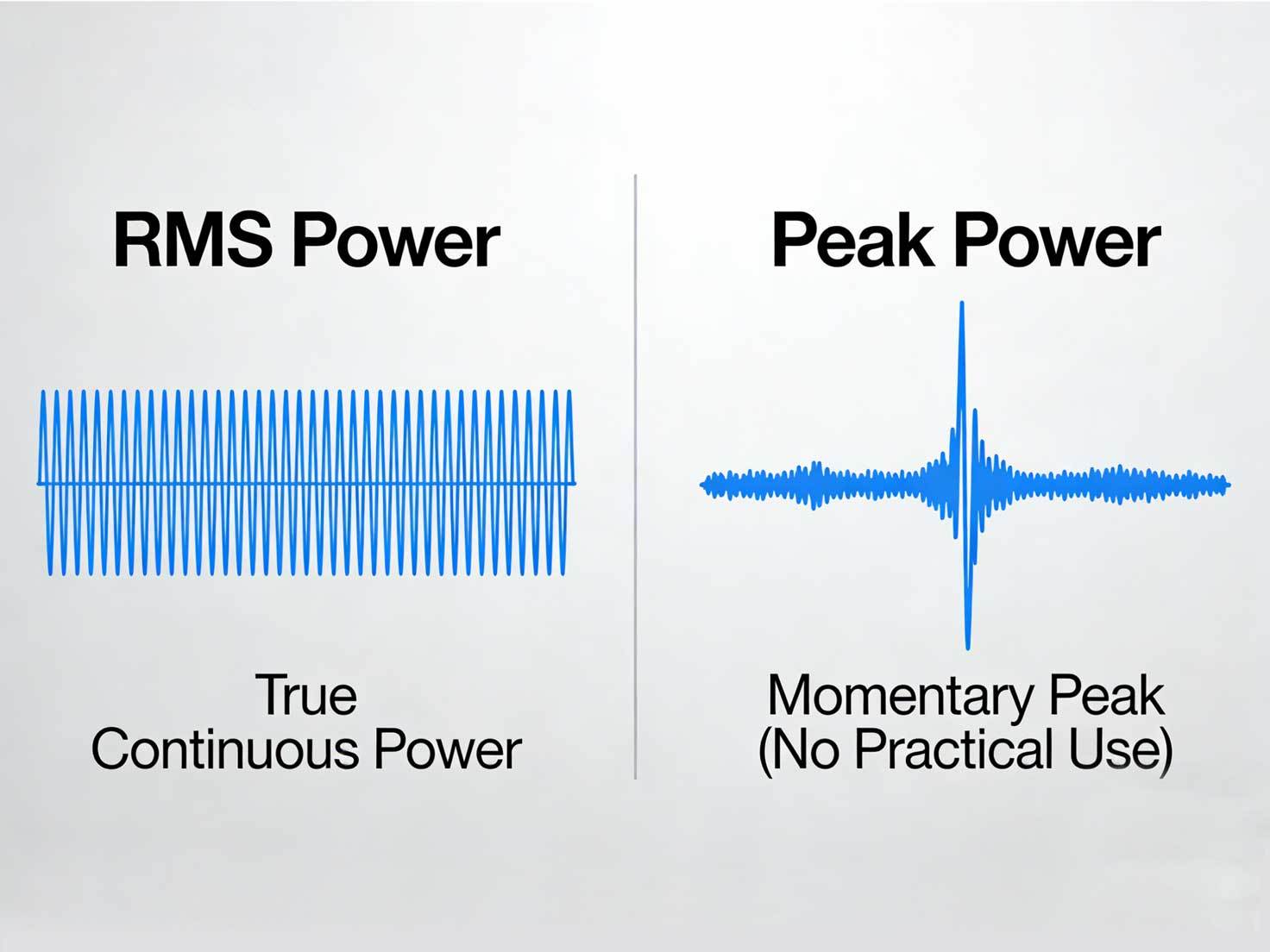
- RMS Power (Not Peak Power): This is the most important number for party speakers. RMS is the continuous power a speaker can output without distortion. Peak power is a temporary burst (useless for long parties). Rule of thumb: 20–30W RMS for 10–20 people; 30–50W RMS for 20–40 people; 50W+ RMS for 40+ people.
- Bass Drivers & Passive Radiators: For that “thumping” party bass, look for speakers with dedicated woofers (4–8 inches) and passive radiators (the circular grilles on the back/bottom). Avoid speakers with only a single full-range driver—they’ll lack bass.
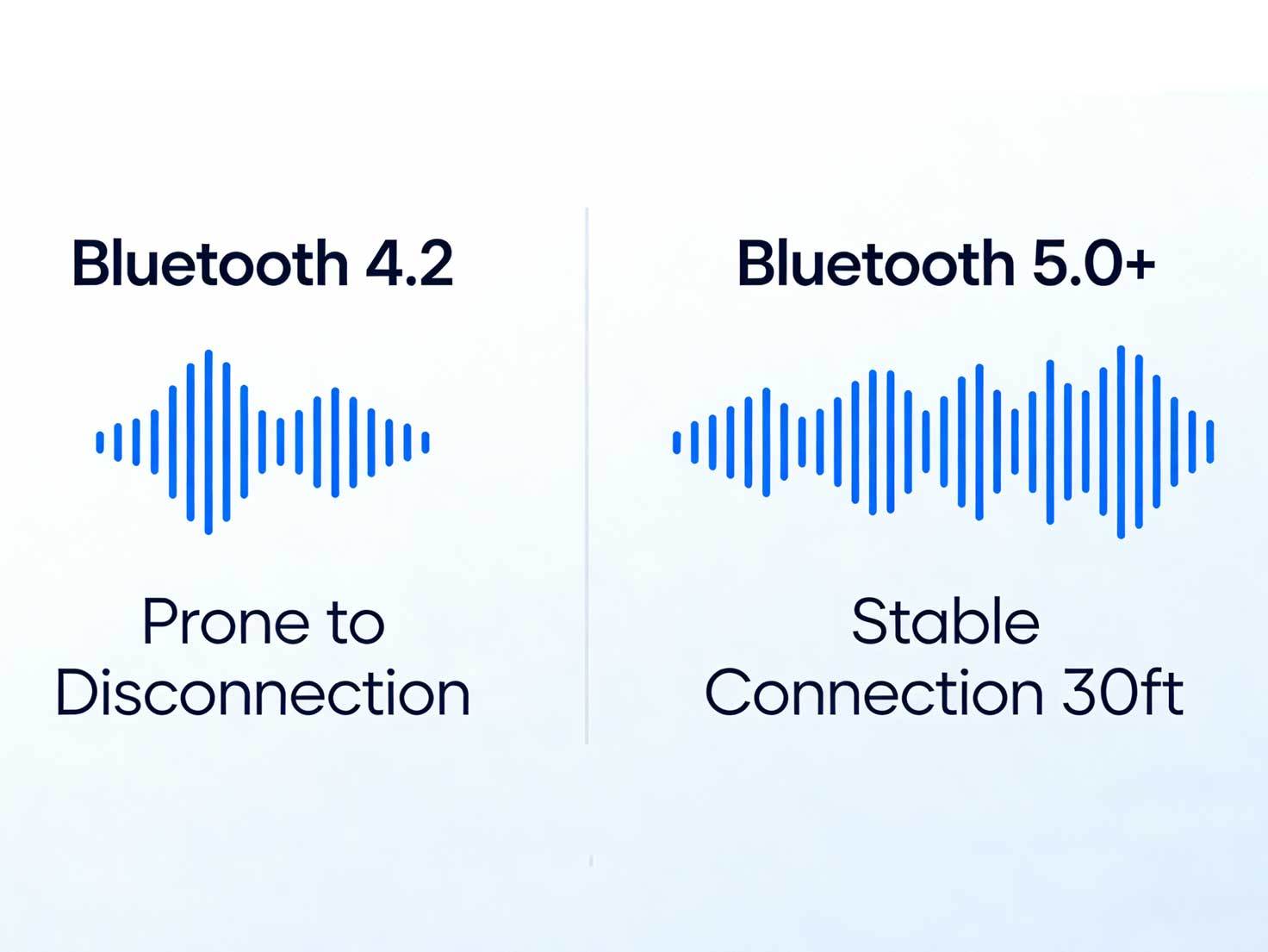
- Bluetooth Version: Bluetooth 5.0+ is a must. It offers a stable connection up to 30 feet (so you can control music from across the room) and reduces dropouts—critical when multiple people are connecting their phones.
- Water Resistance (IP Rating): If you host outdoor parties, look for IPX4+ (splash-proof) or higher. IPX4 means it can handle rain, pool splashes, or accidental spills—essential for summer BBQs or beach parties.
- Ignore Gimmicks: LED lights, “party modes,” or built-in microphones (unless you need karaoke) are often unnecessary and add cost. Focus on sound quality and durability first.
What speakers should I buy for huge dance parties I host?
Huge dance parties (50+ guests) demand professional-level sound that can fill large spaces, deliver bass you can feel, and last all night. Here's your step-by-step plan:
1. Prioritize Power & Speaker Type
Go for a party box speaker (the large, cube-shaped models) with 50W+ RMS power. Party box speakers are engineered for large-scale sound—their bigger enclosures enhance bass resonance, and most have dual drivers/tweeters for clear highs even at full volume.
Example: A 60W RMS party box with a 8-inch woofer and dual passive radiators can easily cover a 1,000+ square foot backyard or garage with 50–80 guests.
2. Must-Have Features for Huge Dance Parties
- AC Power + Long Battery Life: Look for speakers that can plug into an outlet (for all-night use) and have a backup battery (8+ hours) in case you need to move it. Avoid battery-only models—they’ll die mid-party.
- Multi-Speaker Pairing: Many high-end party boxes let you pair two speakers (left/right channel) for stereo sound. This doubles the volume and creates a more immersive “nightclub” feel—perfect for dance parties.
- DJ & Mic Inputs: XLR or 1/4-inch inputs let you connect a DJ mixer, turntable, or microphone. This is essential if you have a DJ or want to make announcements (e.g., “Happy Birthday!”) without yelling over the music.
- Rugged Build: Look for a speaker with a reinforced plastic or metal enclosure. Huge parties mean lots of foot traffic and accidental knocks—you don’t want a flimsy speaker breaking mid-event.
3. Budget & Value Picks
You don't need to spend $500+ for a great dance party speaker. Here’s a realistic budget breakdown:
- Budget ($150–$250): 50–60W RMS party box with IPX4 water resistance, AC/battery power, and basic mic inputs.
- Mid-Range ($250–$400): 70–100W RMS, multi-speaker pairing, better bass drivers, and durable metal grilles.
- Avoid Overspending: Speakers over $400 are for professional events (weddings, festivals). For a home-hosted dance party, mid-range models are more than enough.
What is a suggested Bluetooth wireless speaker for a party?
If your parties are smaller (10–40 guests) or you host a mix of casual gatherings (BBQs, game nights) and medium dance parties, a portable Bluetooth party speaker is your best bet. It’s versatile, easy to move, and balances sound quality with practicality. Here’s our top recommendation framework (based on real-world use):
The "All-Rounder"Pick for Most Hosts
Look for a 30–50W RMS wireless party speaker with these features. This is the sweet spot for 90% of home hosts:
- Bluetooth 5.0+: Stable connection up to 30 feet, no dropouts when multiple people connect their phones.
- 4–6 Inch Woofer + Passive Radiators: Delivers enough bass for dance tracks without being overwhelming for casual listening (e.g., acoustic music at a BBQ).
- IPX4 Water Resistance: Safe for outdoor use—rain or pool splashes won’t ruin it.
- 8–12 Hour Battery Life: Lasts through a full day/night of partying without charging.
- Built-In Handle or Wheels: Easy to carry from the living room to the backyard.
Specific Recommendations (By Scenario)
- Casual Outdoor BBQs (10–20 people): 30W RMS wireless speaker with IPX5 water resistance (better for heavy rain). Look for a compact design with a handle—easy to store when not in use.
- Medium Indoor Dance Parties (20–40 people): 40–50W RMS speaker with a larger woofer (6 inches). Indoor spaces amplify bass, so you don’t need a huge speaker—just one with balanced sound.
- Beach/Pool Parties (15–30 people): 30–40W RMS speaker with IPX6 water resistance (dustproof and waterproof) and a rugged, sand-resistant enclosure. Look for models with “directional sound” to cut through wind noise.
Common Mistakes to Avoid (Save Time & Money)
Based on what we've seen from thousands of hosts, these are the top mistakes that lead to buyer's remorse:
- Buying Based on Peak Power: A speaker labeled “200W Peak” might only have 30W RMS—don’t fall for the hype. Always check RMS power first.
- Ignoring Battery Life for Outdoor Parties: A speaker with 4-hour battery life will die halfway through your BBQ. Always choose 8+ hours for outdoor use.
- Overbuying for Small Spaces: A 100W party box in a small living room will cause ear fatigue and echo. Stick to 30–40W RMS for indoor spaces under 500 square feet.
- Forgetting About Connectivity: Speakers without Bluetooth 5.0 often drop connections when multiple people use them. This is a huge party killer—always prioritize Bluetooth 5.0+.
Final Checklist: Before You Buy
Use this quick checklist to confirm you're making the right choice:
1. RMS power matches your party size (20–30W for 10–20 people; 30–50W for 20–40; 50W+ for 40+).
2. Has a dedicated woofer and passive radiators (for bass).
3. Bluetooth 5.0+ (stable connection).
4. IPX4+ water resistance (if outdoor use).
5. Battery life ≥8 hours (or AC power option for all-night parties).
6. Fits your budget (no unnecessary gimmicks).
With this guide, you'll be able to pick a party speaker that fits your exact needs—no more guesswork, no more wasted money. The best party speaker isn't the most expensive one; it's the one that keeps your guests dancing, your music sounding great, and your party running smoothly.